Hydroponics FAQs

How can beneficial microorganisms support a hydroponic system?

Selected beneficial microorganisms can support biological activity around the root zone. Depending on the formulation, they may assist with nutrient cycling, organic matter breakdown, root-zone microbial balance and the availability of certain nutrients.

They should be used as part of a well-managed hydroponic system with suitable nutrition, aeration, temperature control, sanitation and regular monitoring.

Which HyMax product should I choose?

The right product depends on your crop, growing system and treatment objective.

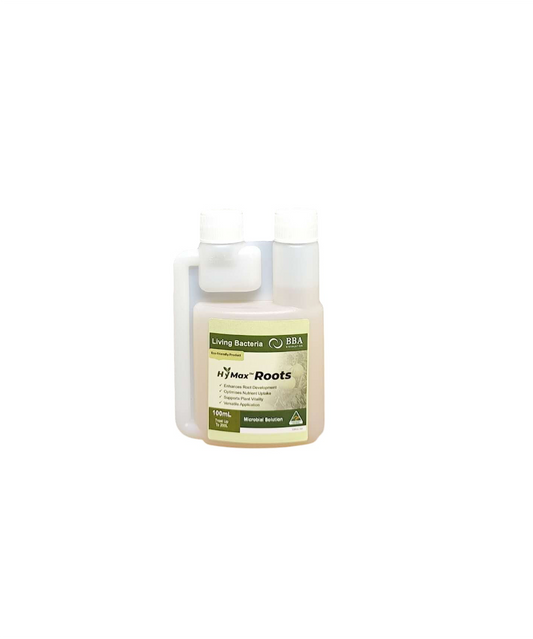
  • HyMax Roots is designed to support root establishment, nutrient uptake and general root-zone biological activity.
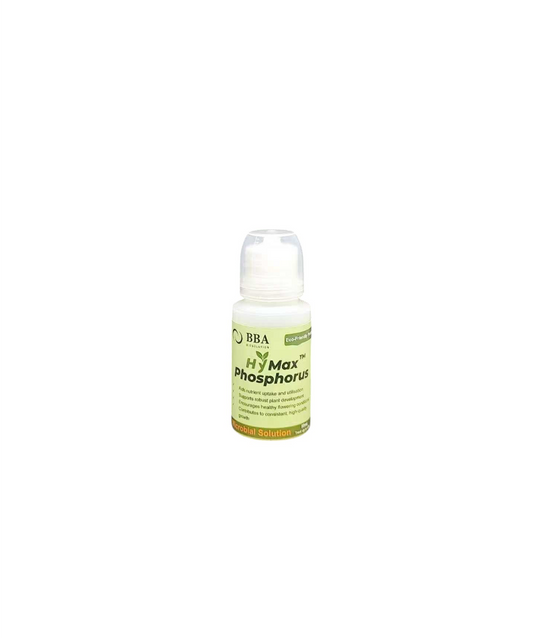
  • HyMax Phosphorus contains selected microorganisms intended to support phosphorus and micronutrient cycling.
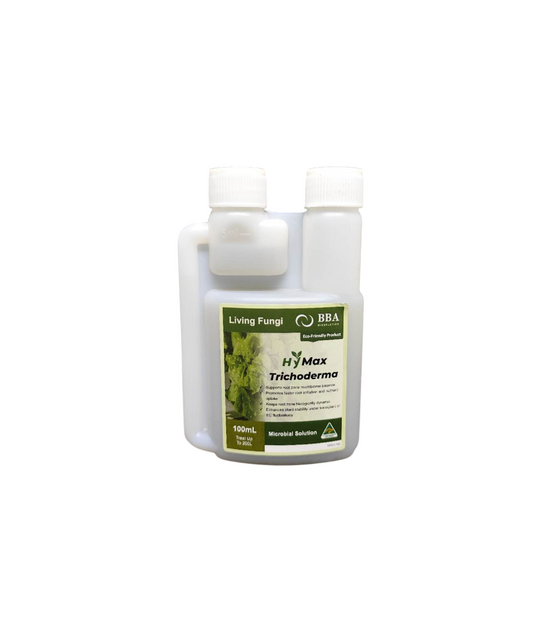
  • HyMax Trichoderma is designed to support root-zone microbial diversity, organic matter breakdown and plant-root development.

More than one product may be suitable, but compatibility, dosage and application timing should be confirmed before combining microbial formulations.

Can HyMax products be used in different types of hydroponic systems?

HyMax products may be suitable for a range of hydroponic and soilless systems, including:

  • nutrient film technique (NFT);
  • deep water culture (DWC);
  • ebb-and-flow systems;
  • coco and other soilless media;
  • drip irrigation and fertigation systems;
  • propagation and transplant applications.

Suitability depends on the individual product, system design, filtration, sanitation programme and application method. Always follow the product label and begin with a small-scale evaluation when introducing a new microbial treatment.

Can HyMax products be mixed with hydroponic nutrients?

HyMax products may be compatible with many standard nutrient programmes, but compatibility depends on nutrient concentration, pH, salinity and other additives in the reservoir.

Prepare and balance the nutrient solution according to your normal procedure before adding the microbial product. Avoid mixing concentrated nutrients directly with concentrated microbial products. If you use unusual additives or highly concentrated stock solutions, conduct a small compatibility test or contact BBA before application.

Will beneficial microorganisms change the pH or EC of my nutrient solution?

Microbial activity may influence root-zone chemistry over time, but HyMax products should not be used as pH or EC control products.

Continue monitoring and managing:

  • pH;
  • electrical conductivity (EC);
  • nutrient concentration;
  • solution temperature;
  • dissolved oxygen;
  • plant and root condition.

Unexpected changes in pH or EC should be investigated through the complete nutrient and irrigation programme rather than attributed to one product alone.

Can I use HyMax products with chlorine, hydrogen peroxide, UV or ozone?

Chlorine, hydrogen peroxide, ozone, UV treatment, disinfectants, fungicides and other antimicrobial treatments may reduce the viability or activity of beneficial microorganisms.

Avoid applying live microbial products at the same time as system-sterilising treatments unless compatibility has been confirmed. Allow chemical residues to decline to a suitable level before inoculation and, where appropriate, temporarily bypass UV or ozone during application.

The appropriate interval depends on the chemical, concentration, system and product. Contact BBA if you are unsure.

Will microbial products cause biofilm or block irrigation lines?

Microorganisms naturally grow on suitable surfaces, so some biological film may develop within a biologically managed hydroponic system. Excessive biofilm or blockage is more likely when there is high organic loading, poor filtration, stagnant flow or incompatible additives.

To reduce risk:

  • maintain suitable filtration and circulation;
  • avoid excessive dosing;
  • keep tanks and irrigation lines appropriately maintained;
  • monitor emitters and narrow channels;
  • avoid unnecessary additions of sugars or organic nutrients;
  • follow the product-specific dosage.

Start with a small section of the system if blockage risk is a concern.

How important are aeration and solution temperature?

Dissolved oxygen and temperature strongly influence root health and microbial activity. Warm, poorly aerated nutrient solutions can increase biological oxygen demand and create unfavourable root-zone conditions.

Maintain suitable circulation and aeration for the crop and hydroponic system. Monitor solution temperature and dissolved oxygen, particularly in DWC, warm-weather systems or reservoirs with high biological activity.

Microbial products cannot compensate for prolonged oxygen deficiency, excessive temperature or poor system design.

How much HyMax product should I use?

Dosage varies between HyMax Roots, HyMax Phosphorus and HyMax Trichoderma. Always follow the instructions on the individual product label or technical datasheet.

The appropriate rate may depend on:

  • reservoir volume;
  • crop and growth stage;
  • hydroponic system;
  • application method;
  • water and nutrient conditions;
  • treatment objective;
  • whether the application is an initial inoculation or maintenance treatment.

Do not assume that the dosage for one HyMax product applies to the others.

When should I apply beneficial microorganisms?

Application timing depends on the product, but common opportunities may include:

  • seedling or clone establishment;
  • transplanting;
  • reservoir or nutrient changes;
  • establishment of a new growing system;
  • recovery after system cleaning or a compatible treatment;
  • scheduled root-zone maintenance.

Do not add live microorganisms immediately before a disinfection cycle. Refer to the relevant product label for application frequency.

Can HyMax products prevent or cure root diseases?

HyMax products are designed to support root-zone conditions and microbial balance. They should not be presented as a guaranteed treatment or cure for plant disease.

Root problems may involve pathogens, low dissolved oxygen, excessive temperature, poor sanitation, nutrient imbalance, damaged roots or irrigation problems. If disease is suspected, identify the cause and seek appropriate agronomic or plant-pathology advice.

A microbial product should form part of an integrated crop and system-management programme.

How quickly should I expect results?

Response time varies according to the product, crop, growth stage, root condition, water quality, nutrient programme and environmental conditions.

Root development and plant performance should be assessed over an appropriate growing period rather than from a single observation. Useful records may include:

  • root colour and development;
  • plant growth;
  • pH and EC;
  • solution temperature;
  • dissolved oxygen;
  • nutrient use;
  • treatment dates and dosage;
  • photographs of treated and untreated plants.

Results may vary between crops and growing systems.

What should I do if I do not see the expected response?

Check the following before adjusting the dosage:

  • Was the correct product selected?
  • Was the reservoir volume calculated correctly?
  • Were chlorine, peroxide, fungicides or disinfectants recently used?
  • Are pH, EC, temperature and dissolved oxygen suitable?
  • Is circulation adequate?
  • Are irrigation lines or filters restricted?
  • Is the nutrient programme appropriate for the crop?
  • Are there signs of root damage or disease?

Record the product, dosage, application date and available system data before contacting BBA for technical support.

Batch Variation Notice: This product contains live microbial strains. As a biological formulation, minor natural variations in colour, aroma, sediment or appearance may occur between production batches.

Customer Technical support: Connect with our approachable support team for specialised assistance.