产品
-
Bioseed Pro
常规价格 $0.00 AUD常规价格单价 / 单价促销价 $0.00 AUD -
Compost Accelerator
常规价格 $0.00 AUD常规价格单价 / 单价促销价 $0.00 AUD -
Growth Booster
常规价格 $0.00 AUD常规价格单价 / 单价促销价 $0.00 AUD -
Hatch Essence - Freshwater
常规价格 $0.00 AUD常规价格单价 / 单价促销价 $0.00 AUD -
Hatchery Care - Freshwater
常规价格 $0.00 AUD常规价格单价 / 单价促销价 $0.00 AUD -
Hatchery Care - Saltwater
常规价格 $0.00 AUD常规价格单价 / 单价促销价 $0.00 AUD -
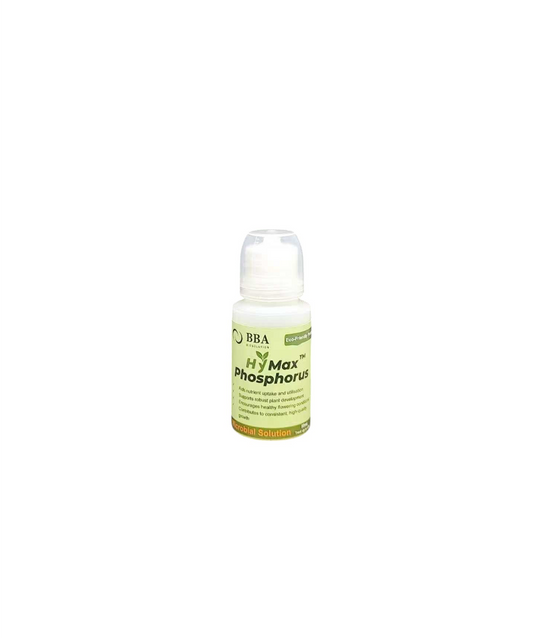
HyMax Phosphorus
常规价格 $0.00 AUD常规价格单价 / 单价促销价 $0.00 AUD -
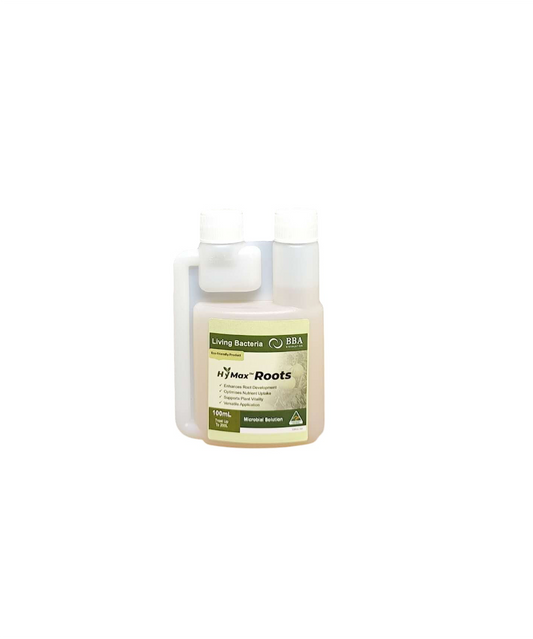
HyMax Roots
常规价格 $0.00 AUD常规价格单价 / 单价促销价 $0.00 AUD -
HyMax Starter kits
常规价格 $0.00 AUD常规价格单价 / 单价促销价 $0.00 AUD售罄 -
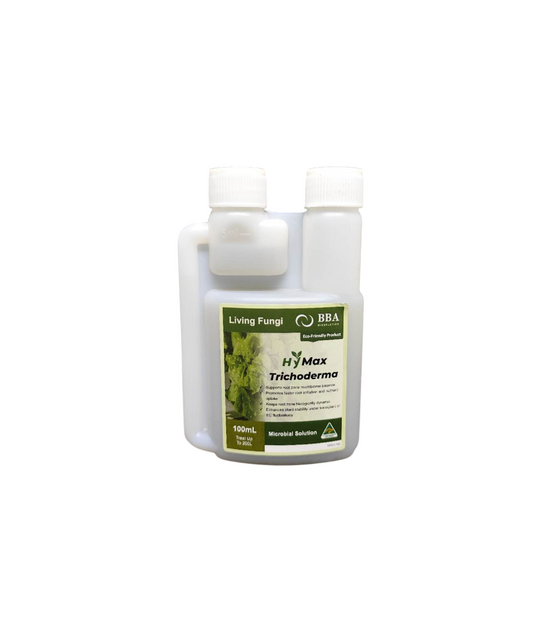
HyMax Trichoderma
常规价格 $0.00 AUD常规价格单价 / 单价促销价 $0.00 AUD -
Phosphorus Booster
常规价格 $0.00 AUD常规价格单价 / 单价促销价 $0.00 AUD -
Plant Guard
常规价格 $0.00 AUD常规价格单价 / 单价促销价 $0.00 AUD
FAQs
What is the recommended dosage for your products?
Dosage depends on the application type, water condition, and treatment objective (e.g. maintenance vs remediation). As a general guideline:
- For relatively clean systems (maintenance): low-dose, periodic application is sufficient to maintain microbial balance.
- For impacted systems (e.g. high organic load, ammonia, odour): a higher initial “shock dose” is recommended, followed by maintenance dosing.
Typical approach:
- Initial phase: establish the microbial population with a higher dose over the first 3–7 days.
- Stabilisation phase: reduce to a fortnightly dose.
We can provide a site-specific dosing plan once basic parameters are shared.
How long does it typically take to observe measurable results after application?
Results depend on system conditions, but generally:
- Odour reduction: often noticeable within 24–72 hours
- Water clarity improvement: typically within 3–7 days
- Ammonia/nutrient reduction: 5–14 days depending on load and conditions
Biological systems are not instant like chemicals, but they provide more stable, long-term outcomes by rebalancing the microbial ecosystem rather than masking symptoms.
What is the correct method for applying or dosing the products?
Application is straightforward and does not require complex equipment:
For water systems:
- Dilute the product with water (if needed)
- Distribute evenly across the surface or dose into inflow/aeration zones
- Apply during periods of good oxygen availability where possible
Key considerations:
- Avoid simultaneous use with strong disinfectants (e.g. chlorine)
- Maintain adequate dissolve oxygen for optimal performance
- Consistency is more important than one-off dosing
We provide simple SOPs tailored to each application.
Do you provide any performance assurance or guarantee for the results?
We stand behind the quality and consistency of our products, which are backed by decades of research and proven field applications.
However, as a biological solution, performance depends on site-specific conditions such as:
- oxygen levels
- temperature
- existing contamination load
- system design and management
Instead of a blanket guarantee, we focus on:
- conducting small-scale trials where needed
- monitoring key parameters
- adjusting dosage and strategy to achieve the desired outcome
In most cases, when applied correctly, we consistently achieve measurable improvements.
Do you offer on-site support or training to guide proper product application?
Yes, we can support on-site implementation where required.
Our support typically includes:
- site assessment and problem diagnosis
- customised dosing and treatment plan
- on-site or remote training for your team
- ongoing technical support and performance monitoring
Depending on location and project scale, this can be arranged as:
- initial site visit
- pilot trial supervision
- periodic follow-up visits
Our goal is not just to supply products, but to ensure correct application and successful outcomes.
Can we be given optimum ranges of analytes so we know when conditions exceed bacterial survival limits?
Yes — we can provide “operating envelopes” and “red flags”, but it’s important to separate:
- survival (cells remain viable),
- activity (they actually nitrify / degrade organics),
- performance (measurable removal).
For most of the heterotrophic degraders + Bacillus-type spores and general mixed cultures used in water/wastewater:
- pH: workable ~6.0–9.0 (best typically ~6.8–8.2)
- temperature: workable~10–40°C (best often ~20–35°C)
- dissolved oxygen (DO): for aerobic degradation/nitrification, aim 1.5-2.5 mg/L
- salinity: depends on the strain set (we can specify if it’s freshwater vs brackish tolerant)
- toxicity inhibitors (key): free chlorine/chloramine, strong oxidants, solvents, high heavy metals, extreme surfactants
Specific “safety limits” are usually defined by inhibitors rather than TN/TP.
Can we keep “spare” bacterial colonies on site? Upkeep? How long without food?
Yes, but the best format depends on product type:
1. Spore-based products (many Bacillus): very suitable as on-site “spares”
- minimal upkeep
- long shelf life when sealed, dry, cool, out of sunlight
- re-activate quickly when dosed
2. Liquid cultures / PSB-type products (photosynthetic bacteria): feasible, but more sensitive
- need correct storage temperature, avoid overheating/freezing unless the product is specifically freeze-tolerant
- shelf life (18 months) is shorter than spore powders (3 years)
Without a food source, cells don’t “stay active”; they decline. Spores last much longer than vegetative cells.
What is the hierarchy of analytes the bacteria consume? Ammonia first? Then what?
It depends on whether the culture is:
- heterotrophic degraders (most blends for BOD/FOG/surfactants/hydrocarbons)
- nitrifiers (ammonia oxidizers / nitrite oxidizers)
- PSB (can assimilate organics, some nitrogen forms under specific conditions)
In a mixed microbial community, the general preference is:
- If carbon is present, heterotrophs usually consume carbon first.
- Dedicated nitrifiers target ammonia, but they need stable DO, alkalinity, and are slower growers.
- Our approach uses high inoculation density to shorten the time to functional performance, but the system still follows biological rules.
How does the liquid bacteria travel? Do strains differ in resistance?
They “travel” in three main ways:
- water movement / hydraulics (bulk flow, mixing, recirculation)
- attachment to surfaces (biofilms on media, pipe walls, sludge flocs)
- association with particles (suspended solids, flocs)
Yes, strains differ:
- spore formers tolerate stress better (temperature swings, starvation, some chemicals)
- some strains are better at biofilm formation (helps persistence)
- some are more salt-tolerant or more temperature-tolerant
This is why surface area (media, sludge, pond liners, biofilm zones) is critical: attached communities persist and self-recover faster.
Transport/storage:does it have to be treated as a biohazard?
In most operational settings, these products are NOT treated as “biohazard” (infectious agent) because they are:
- non-pathogenic, environmental strains
- supplied as commercial microbial products with SDS
- handled as industrial/biological additives
Since the products are “microbial products,” so you should handle them with standard hygiene and PPE:
- gloves, avoid inhaling dust (powders), eye protection if splashing (liquids)
- store sealed, cool/dry, away from oxidants/disinfectants
- do not freeze unless label allows; do not leave in hot vehicles
Please follow the SDS for transport and storage requirements; under standard classification, it is not an infectious biohazard, but it should be handled as a microbial/biological product with basic PPE.